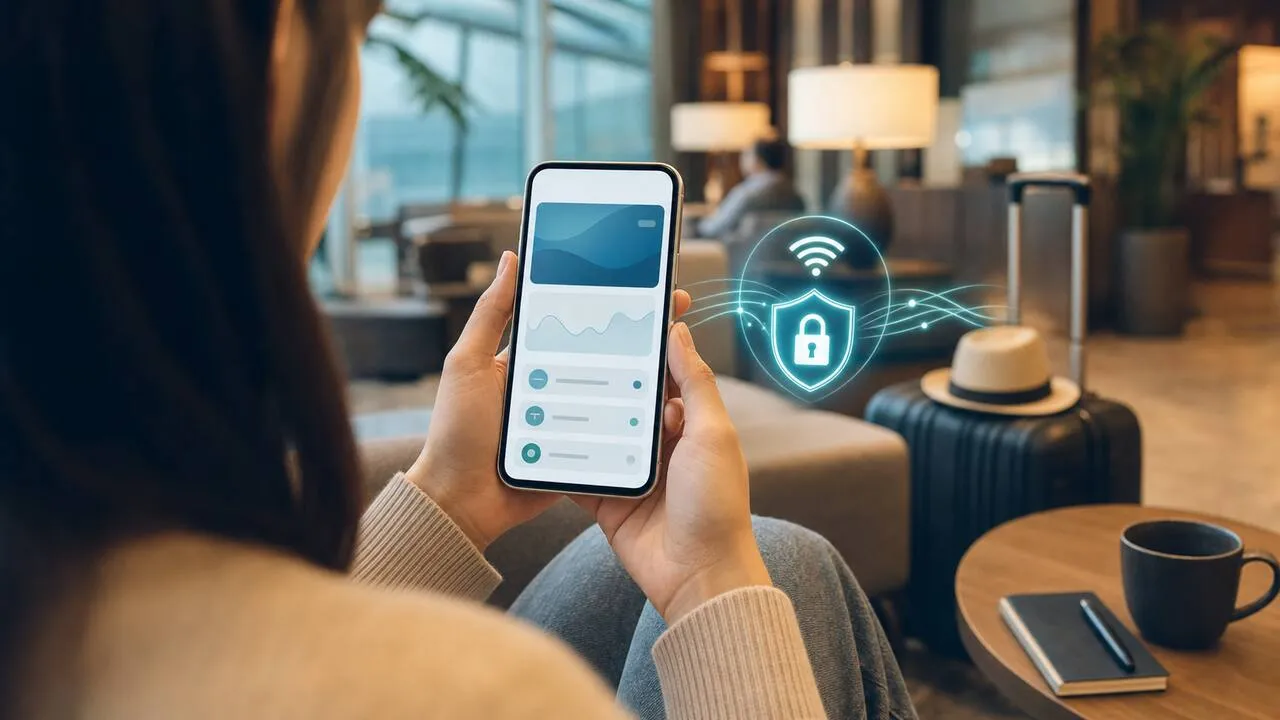
Do You Need a VPN in Japan? A Practical Guide for Travelers and Foreign Residents
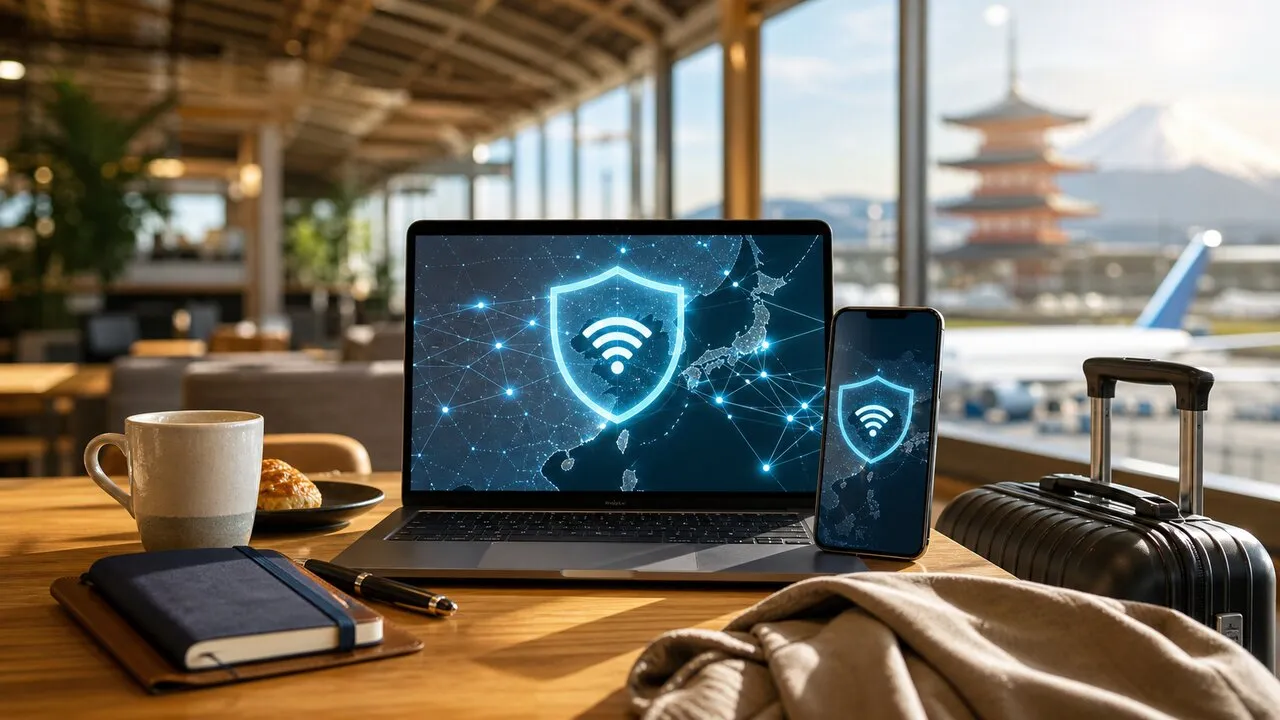
You can travel around Japan without a VPN. If you use a trusted eSIM or roaming connection for everything, your normal mobile connection is usually the simpler choice. A VPN becomes useful when you move onto shared airport, hotel, train, or café Wi-Fi, sign in to work or financial accounts, or need a connection that appears to come from another region.
The best approach is not to leave a VPN running out of habit. Match it to the network and the task in front of you.
Start with the connection you already trust
Mobile data should usually be your first choice after landing. It avoids the confusion of similarly named hotspots and lets you download tickets, message your host, and find the next train without accepting a public network’s terms. A travel eSIM, international roaming plan, or local SIM provides internet access; a VPN does a different job by encrypting traffic between your device and the VPN server. One does not replace the other.
Keep an eye on which connection your phone is actually using. Phones can rejoin remembered Wi-Fi automatically, so a device that appeared to be on mobile data may quietly move to a nearby hotspot. Remove networks you no longer need, especially after leaving a hotel.
Shared Wi-Fi changes the decision
Free Wi-Fi is convenient when mobile reception is weak, you are working on a laptop, or you want to save data. It is also a network managed by someone else and shared with strangers. Modern HTTPS protects the contents of most websites, but it does not make every hotspot trustworthy or protect every app and background connection in the same way.
Before joining, compare the network name with the sign at the venue or ask staff. Complete any captive-portal page, then connect the VPN before opening email, cloud storage, banking, or a booking account. For a deeper explanation of the risks, read the hotel and airport Wi-Fi guide.
The task matters as much as the network
Looking up a train platform is not the same as approving a payment or opening confidential work files. On an unfamiliar network, postpone high-impact tasks if you can. If they cannot wait, use mobile data or connect the VPN first, confirm that it is active, and only then sign in.
A VPN does not fix every travel-security problem. It cannot make a fake login page genuine, stop you from sharing a one-time code, or protect an unlocked phone left on a table. Password-manager autofill, multi-factor authentication, device updates, and ordinary skepticism still matter.
Expect one connection change inside hotels
Hotel Wi-Fi often starts with a browser page asking for a room number, access code, or acceptance of terms. A VPN may not connect until that page is complete. If the sign-in page does not appear, temporarily disconnect the VPN, finish the hotel’s portal, and reconnect the VPN before using accounts. This is a network handoff, not a reason to disable protection for the rest of the stay.
The same logic applies when moving between the lobby, guest room, and conference floor. Check the network name again rather than assuming every signal carrying the hotel name is identical.
Foreign residents have a different use case
People living in Japan may rely on local mobile data every day and still want a VPN for a shared apartment network, coworking space, business trip, or connection to services in a home region. Location can also affect which catalog or account page a service displays, although a VPN cannot guarantee access: providers may restrict VPN traffic, require the account’s original region, or enforce licensing rules.
Treat region switching as a compatibility tool, not a promise. Follow the service’s terms and keep a normal Japanese connection available when identity or payment checks expect it.
Prepare before the arrivals hall
Install the app, sign in, and test a connection on every device before departure. Save recovery codes somewhere you can reach without the same phone, update the operating system, and confirm that your eSIM or roaming plan activates when expected. These steps take minutes at home and are frustrating beside a baggage carousel.
Our travel VPN checklist puts the preparation in departure order. Once you are in Japan, the simple rule is: use mobile data by default; on shared Wi-Fi, verify the network and turn on the VPN before opening important accounts.
Bottom line
A VPN is not an entry requirement for Japan and it is not necessary for every map search. It is a useful layer when the network belongs to a hotel, airport, café, or other shared venue, and when the task involves accounts or private data. Set it up before you leave, use it deliberately, and you can spend the trip thinking about Japan rather than troubleshooting your connection.