2026 VPN Beginner Guide: From Installation to Safe Everyday Use
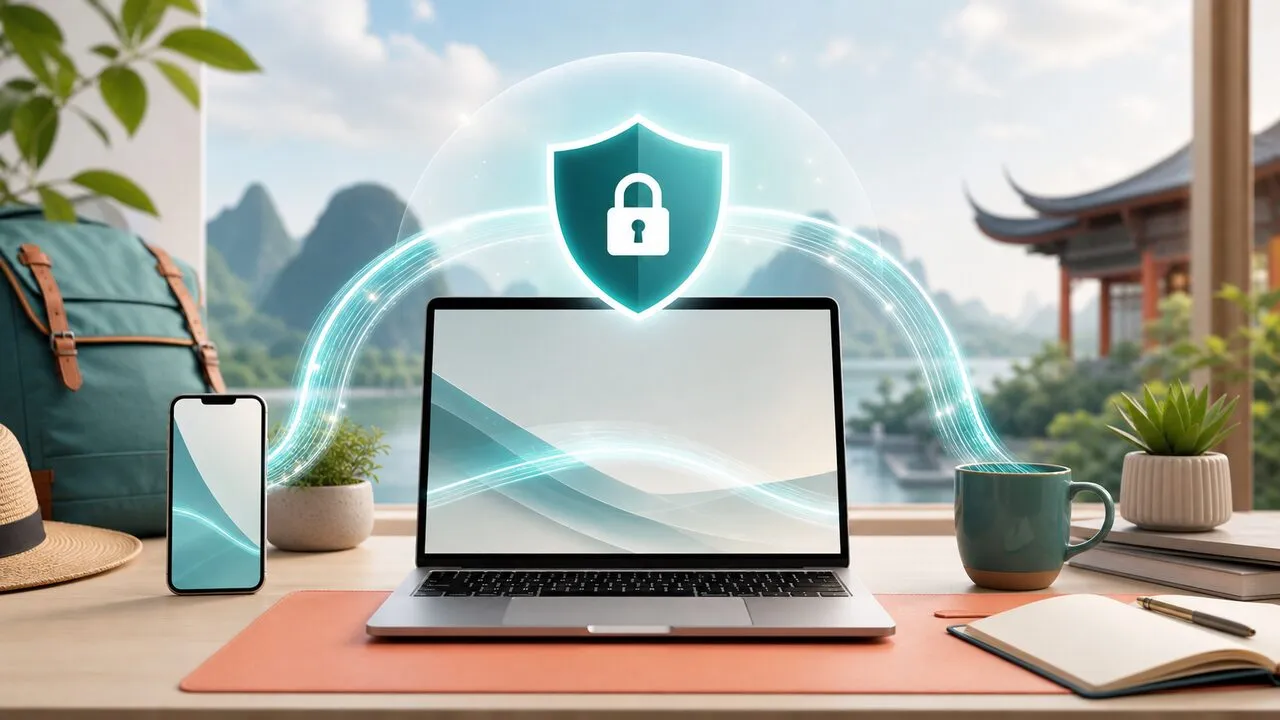
A VPN does not need to feel technical in 2026. For most beginners, safe everyday use comes down to five steps: install the official app, sign in with the right account, connect to a nearby server, turn it on before using unfamiliar Wi-Fi, and keep realistic expectations about what a VPN protects. This guide walks through the full path from first setup to habits you can repeat on every device.
Start with the right reason, not the longest feature list
Before installing anything, decide what problem you want the VPN to solve. A traveler may care most about safer hotel Wi-Fi. A remote worker may need steadier protection before signing in to company tools from airports and cafes. A privacy-conscious beginner may simply want fewer sites seeing their original network location.
That reason matters because it affects how you choose servers and settings. If your goal is safer public Wi-Fi, the best default is usually a nearby, stable location. If your goal is reducing location exposure while browsing, consistency matters more than jumping between faraway regions. If you are still learning the basics, read what a VPN does and does not do before comparing providers.
Install only from official sources
Use the official website or the official app store listing for your platform. Avoid random download mirrors, repackaged installers, browser pop-ups, or links inside unfamiliar messages. A fake VPN app is worse than no VPN because it may ask for network permissions while collecting data itself.
After installation, check that the app name, developer, and login flow match what you expected. Lubi VPN supports iOS 15+, Android 7+, macOS 12 Monterey+, and Windows 10 64-bit+. If you purchased from the website, your account is the email used at checkout, so sign in with that same email on each device.
Make the first connection simple
For a first test, choose a server close to where you are. Beginners often pick the most distant location because it feels more powerful, but distance adds latency and can make normal browsing feel slow. A nearby server lets you confirm that the app works before you experiment with other locations.
Connect, open a few normal websites, send a message, and try a short video call or streaming clip. You are checking for practical stability, not chasing a perfect speed-test score. If pages load normally and apps behave as expected, the VPN is doing its job quietly in the background.
For phone-specific setup details, use the dedicated guides for iPhone VPN setup and Android VPN setup. They cover permission prompts, system VPN icons, and the small screens where beginners most often get stuck.
Learn when to turn it on
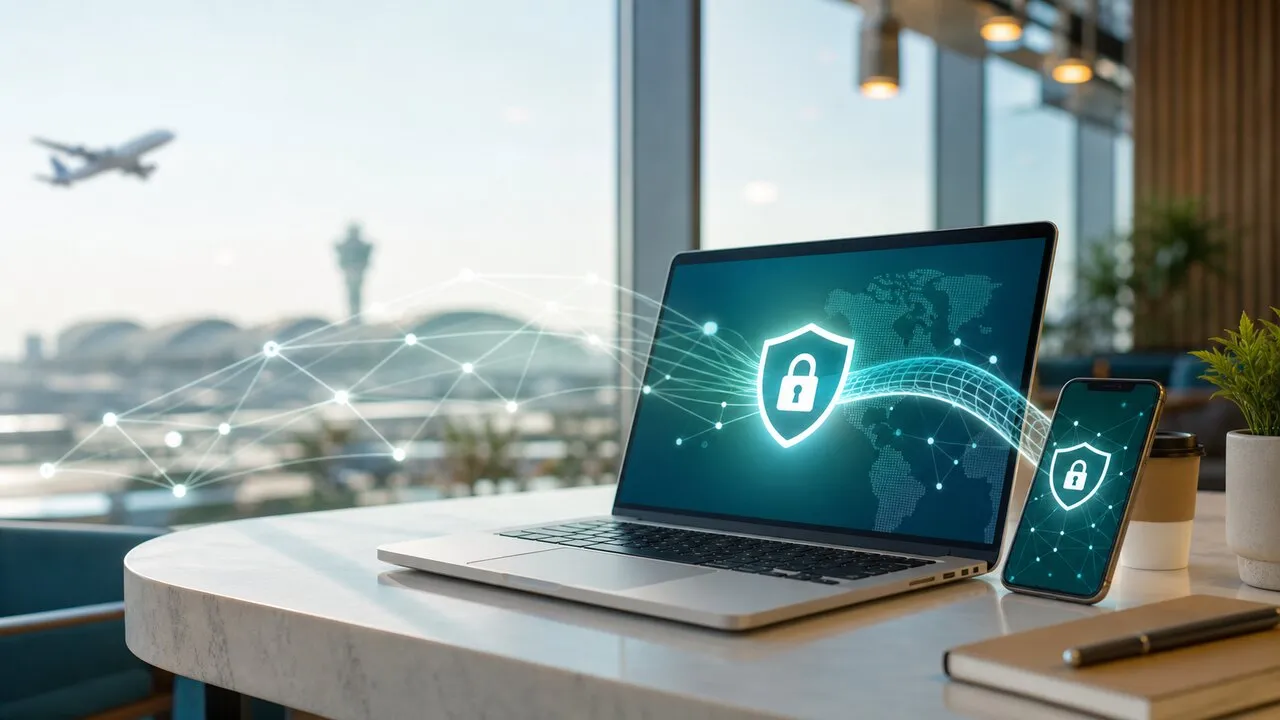
The most important habit is not a hidden advanced setting. It is remembering to connect before using a network you do not control. Turn on the VPN before logging into email, banking, cloud storage, work tools, or shopping accounts on airport, hotel, cafe, school, coworking, and shared apartment Wi-Fi.
At home, whether you leave it on depends on your priorities. Some people keep it running all day for consistency. Others switch it on only for travel, public Wi-Fi, or sensitive tasks. Both approaches are reasonable as long as you do not forget it during higher-risk moments.
Use auto-connect if the app offers it for untrusted networks. A VPN you meant to enable but forgot is not protecting you. Pair that habit with the steps in the public Wi-Fi safety checklist for stronger protection before you sign in anywhere important.
Know what a VPN protects
A VPN encrypts the connection between your device and the VPN server. That makes it harder for people on the same local network to inspect your traffic, and it means websites generally see the VPN server location rather than your original network. This is valuable, especially when you travel or use shared Wi-Fi.
It does not make you anonymous, fix a weak password, identify every phishing page, or stop a website from tracking you after you log in. If you sign into an account, that service still knows it is you. If you download unsafe files, a VPN does not make them safe. Think of the VPN as one strong layer in a larger routine: updated devices, unique passwords, two-factor authentication, and careful links still matter.
Pick servers by daily comfort
Server choice should be boring. Start nearby, then change only when you have a specific reason. If a site behaves oddly, a video call becomes unstable, or a download slows down, try another nearby server before blaming the VPN itself. Network congestion, Wi-Fi quality, device battery mode, and the service you are using can all affect speed.
For people in Asia, regional optimization is often more useful than a huge global map. The server that feels best for daily use is usually the one that gives you stable browsing, low delay, and fewer reconnects on the routes you actually use.
Set up every device you rely on
New users often protect the phone and forget the laptop, or secure the work computer and leave the tablet exposed. That creates a gap because the same accounts may be used across all of them. If a device travels with you or signs into important services, it belongs in your VPN routine.
With Lubi VPN, one subscription works across all your devices when you sign in with the same account. That keeps setup simpler: install the app, sign in, connect, and repeat on the next device.
Keep a short troubleshooting routine
If the VPN does not connect, do not immediately uninstall it. First switch between Wi-Fi and mobile data, then try a nearby server, restart the app, and check whether another security tool is interfering. On hotel or airport Wi-Fi, open a normal browser page first because some networks require a login screen before any VPN connection will work.
If only one website has trouble, the issue may be that site, your browser cache, or a temporary route problem. If everything is slow, test your raw Wi-Fi without sensitive browsing, then reconnect the VPN and compare. Simple checks prevent beginners from changing too many settings at once.
The beginner routine to remember
Install from official sources. Sign in on every device. Use a nearby server first. Turn it on before public Wi-Fi and sensitive accounts. Keep passwords, two-factor authentication, and software updates in the same routine. Once those habits are in place, a VPN becomes less like a technical project and more like a seatbelt for everyday internet use.