Online Privacy in Vietnam: Protect Your Accounts, Messages, and Work Data
Online privacy in Vietnam is less about becoming anonymous than preventing one mistake from spreading across your digital life. Protect the email address and phone number that recover other accounts, keep private conversations out of lock-screen previews and abandoned devices, limit what each app can collect, and use shared networks with clear boundaries. A VPN can protect one part of that system—the connection—but it cannot undo a fraudulent approval or remove data already given to a service.
This matters when banking, messaging, ride-hailing, delivery, shopping, and company tools all meet on the same phone. The safest plan assumes that a lost device, copied password, deceptive message, or exposed conversation may happen, then limits what that event can unlock next.
Map the chain that can unlock your identity
Start with your primary email account. If it can reset your shopping, social, work, or payment accounts, it is not just another inbox; it is the root of the recovery chain. Give it a unique password, enable a passkey or multi-factor authentication when supported, and review its signed-in devices, forwarding rules, recovery address, and recent security events.
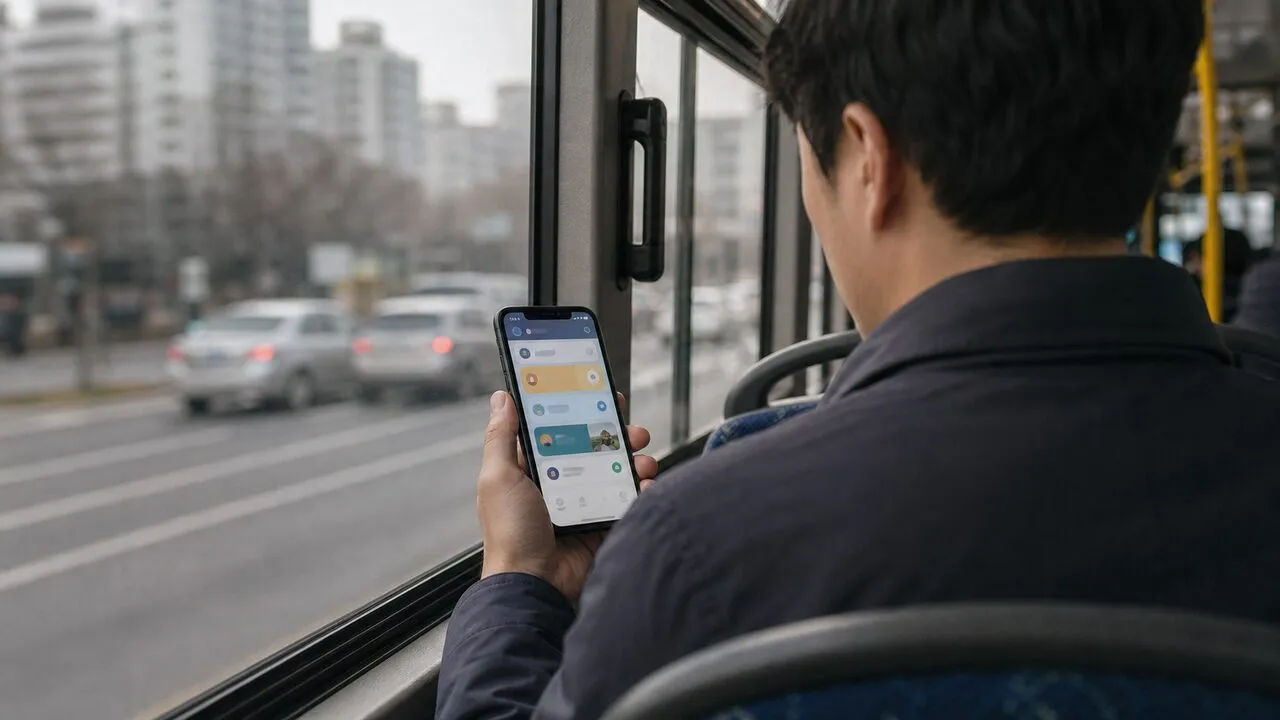
Then check the mobile number tied to those accounts. Use a strong device passcode and hide message content on the lock screen so one-time codes and reset links are not visible before unlocking. Ask the carrier through its official support channel what verification it requires for SIM replacement. If your service disappears while nearby phones still have signal, contact the carrier rather than repeatedly requesting new login codes.
Vietnam’s Circular 08/2026/TT-BKHCN, effective from April 15, 2026, defines four subscriber-verification routes: VNeID, the mobile operator’s app, an operator-owned service point, or a point formally authorized by the operator. The Government Electronic Newspaper’s summary also describes transition rules for existing subscriptions, including re-verification of numbers registered to foreign nationals with passports. Failure to complete a required check can lead first to suspension of outgoing calls and SMS, then to further service restrictions. If a Vietnamese number receives recovery codes, treat an operator verification notice as an account-continuity task and confirm it through one of the official routes rather than a link in an unsolicited message.
Store recovery codes outside the phone they recover. A printed copy in a secure place or an encrypted record available from another trusted device is more useful than a screenshot trapped on a missing handset. The objective is to remove single points of failure, not create more ways for strangers to reset the account.
Keep private conversations from becoming account keys
Messaging history can reveal names, travel plans, invoices, internal links, identity documents, and the language colleagues use when making urgent requests. That context can make a later impersonation attempt far more convincing. Turn off sensitive notification previews, check which computers and tablets remain linked to each messaging account, and sign out devices you no longer control.
Do not leave long-lived sessions on a hotel business-center computer, borrowed laptop, shared tablet, or former work device. If a service offers encrypted backups, read its current explanation of what the backup includes and how the key is protected before enabling it. End-to-end encryption for live messages does not automatically tell you how cloud backups, exported chats, notification content, or the recipient’s device are handled.
Separate personal and company conversations according to your employer’s policy. A private chat may be convenient, but encryption alone does not make it an approved place for company material.
Keep work data inside the employer’s boundary
For an employee or contractor in Vietnam, work data has an owner, an approved storage location, and a defined access path. Use the managed device, company file system, and corporate VPN or gateway your employer specifies. Do not move a factory drawing, customer list, payroll file, identity document, or internal link into a personal cloud drive or messaging account just because the approved system is temporarily inconvenient.
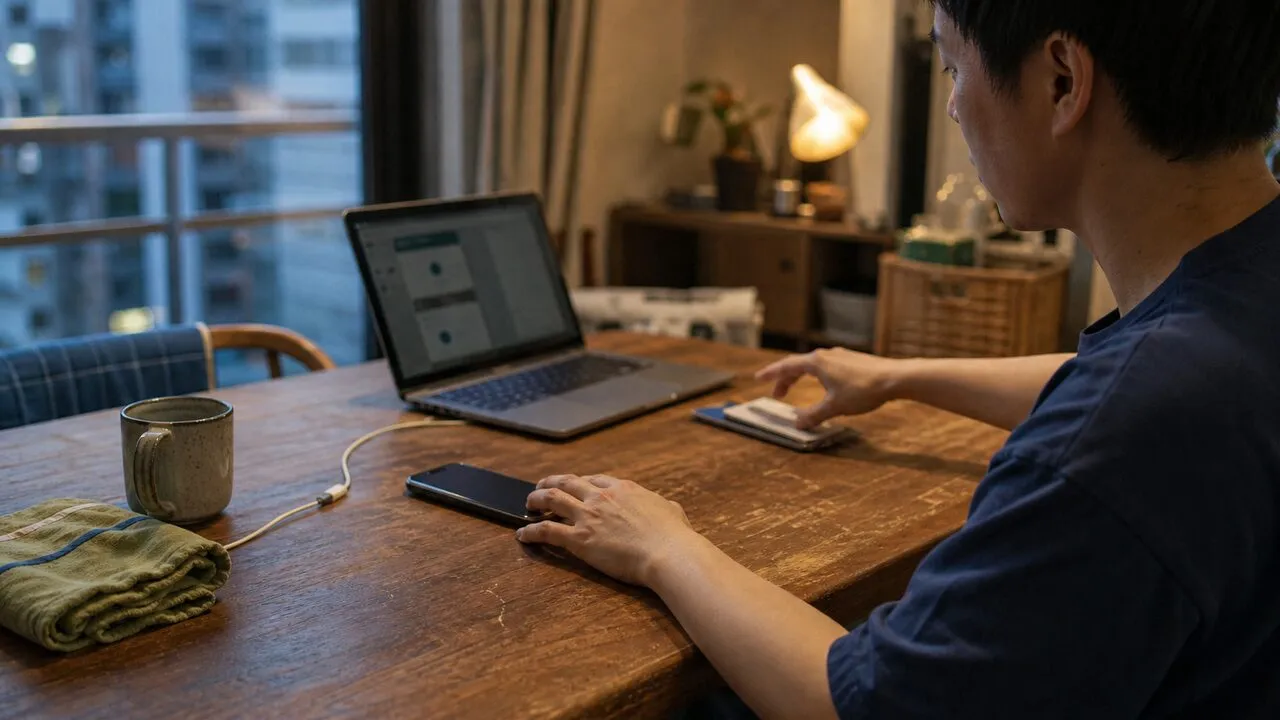
Before working from a hotel, apartment, factory guest network, or coworking space, ask what connection and device policy applies. If the company system rejects the login, record the time and error and contact the administrator. Installing a personal remote-access tool, forwarding a file to yourself, or disabling device management may create an untracked copy and turn a connection delay into a reportable data incident.
When employment, a project, or a device assignment ends, return or remove company data through the employer’s process. Signing out of a chat is not the same as revoking shared links, downloaded files, browser sessions, or backup copies.
Let each app learn only what it needs now
A transport app may need your location during a ride, not throughout the day. A payment app may need the camera for a code, not every photo and contact. Review access to location, contacts, photos, microphone, camera, Bluetooth, notification reading, accessibility services, and the ability to install unknown apps. Prefer approximate or while-in-use location when that is sufficient, and remove apps and browser extensions you have stopped using.
Vietnam’s Law on Personal Data Protection, No. 91/2025/QH15 took effect on January 1, 2026. The Ministry of Public Security’s official summary of the law describes rights that include being informed about processing, agreeing or refusing, withdrawing consent, accessing and correcting data, and requesting deletion or restricted processing as provided by law.
Those rights do not make every permission request safe or necessary. Before sharing an identity document, contact list, live location, or workplace file, ask what the service needs, for which purpose, and for how long. Use the provider’s current privacy notice and official request channel; an old screenshot or third-party tutorial may no longer match the available controls.
Verify urgency outside the message that created it
A parcel notice, payment request, account warning, manager’s instruction, or relative’s emergency can be written to make immediate action feel safer than checking. Treat the message as a claim, not proof. Open the known app yourself, type the official address, call a saved number, or ask the colleague through a separate company channel.
QR codes deserve the same treatment. A code is only a destination you cannot read at a glance. Before paying or signing in, let the official app show the recipient, amount, or domain and confirm them independently. Leave if a page asks you to ignore a certificate warning, install a device-management profile, enable accessibility control, share your screen, or disclose a one-time code.
Modified apps, configuration profiles, browser extensions, and “security tools” forwarded through group chats can request more control than their visible purpose suggests. Install software from the service’s official site or the device’s normal app store, and verify the publisher rather than trusting the language of the instructions. The AI phishing and deepfake protection guide explains how to verify a familiar voice, face, or writing style through a channel the message does not control.
Draw a boundary around shared connections
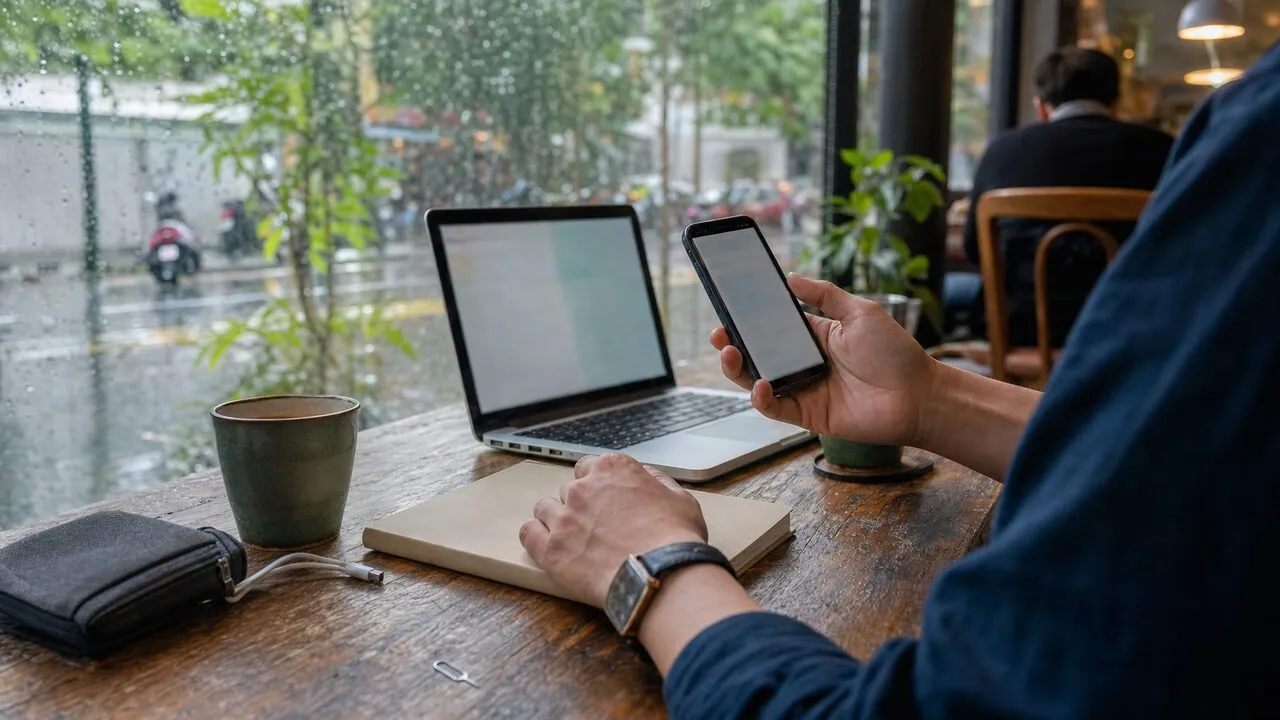
At a café, hotel, apartment, or coworking space, confirm the exact network name with staff and disable automatic joining. Keep file sharing and device discovery off. A captive portal may ask you to accept access terms, but it should not require an unrelated email password, a banking login, or a new device-management profile.
For payroll, banking, identity documents, or sensitive work, mobile data or a trusted hotspot provides a clearer boundary when available. If shared Wi-Fi is unavoidable, follow the public Wi-Fi safety checklist and connect through a reputable VPN when local law, service terms, and company policy allow it.
A VPN encrypts supported traffic between your device and the VPN server and changes the public IP address a destination sees. It can reduce what the local network operator or access provider observes about traffic inside the tunnel. It does not hide your identity after login, inspect every fake payment page, revoke an exposed session, or control what a service stores after receiving your data. Our guide to what a VPN protects and leaves exposed explains that boundary in detail.
Choose a VPN by checking who operates it, where its apps come from, and what its current privacy notice says about account and connection data. An unknown free profile can add a new observer instead of removing one.
Recover in the order that limits the next loss
Before the phone goes missing, turn on device finding and remote lock, confirm that they work from another device, and record official contact routes for the carrier, bank, employer, and essential services. Back up important files with encryption and test that you can restore them. A backup that has never been opened is only an assumption.
After a loss, use a trusted device to lock the phone and contact the carrier. Secure the primary email account first, then banking and payment accounts, work access, messaging, shopping, and other services that hold identity or delivery data. Revoke old sessions and newly added recovery methods; changing a password alone may leave an existing session active.
Review transactions, login locations, forwarding rules, linked devices, and recent security alerts. Tell the employer promptly if company data or a managed device may be involved. The useful measure of a privacy plan is not whether nothing ever goes wrong, but whether one lost phone or deceptive message can still take the rest of your accounts with it.